


The Foundation
Fondazione Sabe per l’Arte aims to establish itself as a point of reference for the promotion and dissemination of contemporary art in the city of Ravenna through exhibitions, talks, screenings and other cultural activities. Particular attention is devoted to sculpture, understood as a paradigm of an expansive tension between form, the viewer and the environment. The concept of ‘sculpture’ has now acquired such a broad scope as to encompass installation and site-specific intervention practices, while also extending into the immaterial dimensions of photography, video and computer graphics. Through a diverse range of cultural initiatives, the Foundation therefore seeks to foster reflection on these themes, bringing together artists, critics, theorists and scholars active throughout Italy.
Chaired by Norberto Bezzi and Mirella Saluzzo, the Foundation benefits from the advice of a scientific committee coordinated by Francesco Tedeschi, Professor of Contemporary Art History at the Catholic University of the Sacred Heart in Milan, and comprising professors from the University of Bologna Claudio Marra, Federica Muzzarelli and Claudio Spadoni, former Director of the Ravenna Museum of Art. The artistic direction is entrusted to Pasquale Fameli, an art critic and scholar affiliated with the University of Bologna.
In addition to organizing exhibitions and cultural events, the Foundation is committed to the cataloguing of Mirella Saluzzo’s artworks and to the establishment of a specialized library dedicated to contemporary sculpture, with particular emphasis on documentation relating to the artists hosted by the Foundation.
The Foundation is based at 31 Giovanni Pascoli Street in Ravenna, in a fully renovated nineteenth-century building. The courtyard of the building also provides access to Saluzzo’s own studio, perpetuating the creative vocation of the place: throughout the twentieth century, the premises first housed a carpentry workshop and later a printing house, thus immediately establishing themselves as a place of “making”.
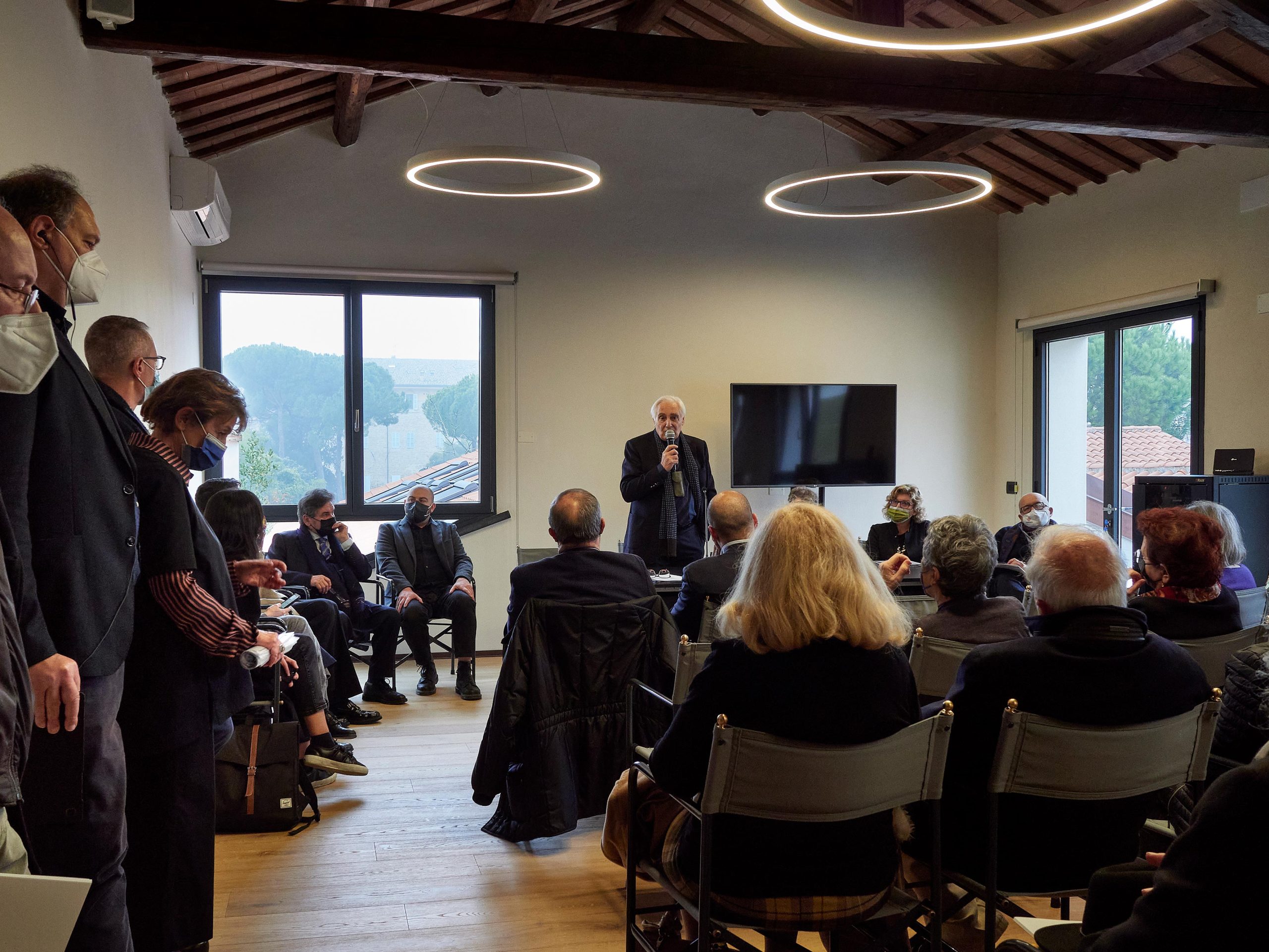
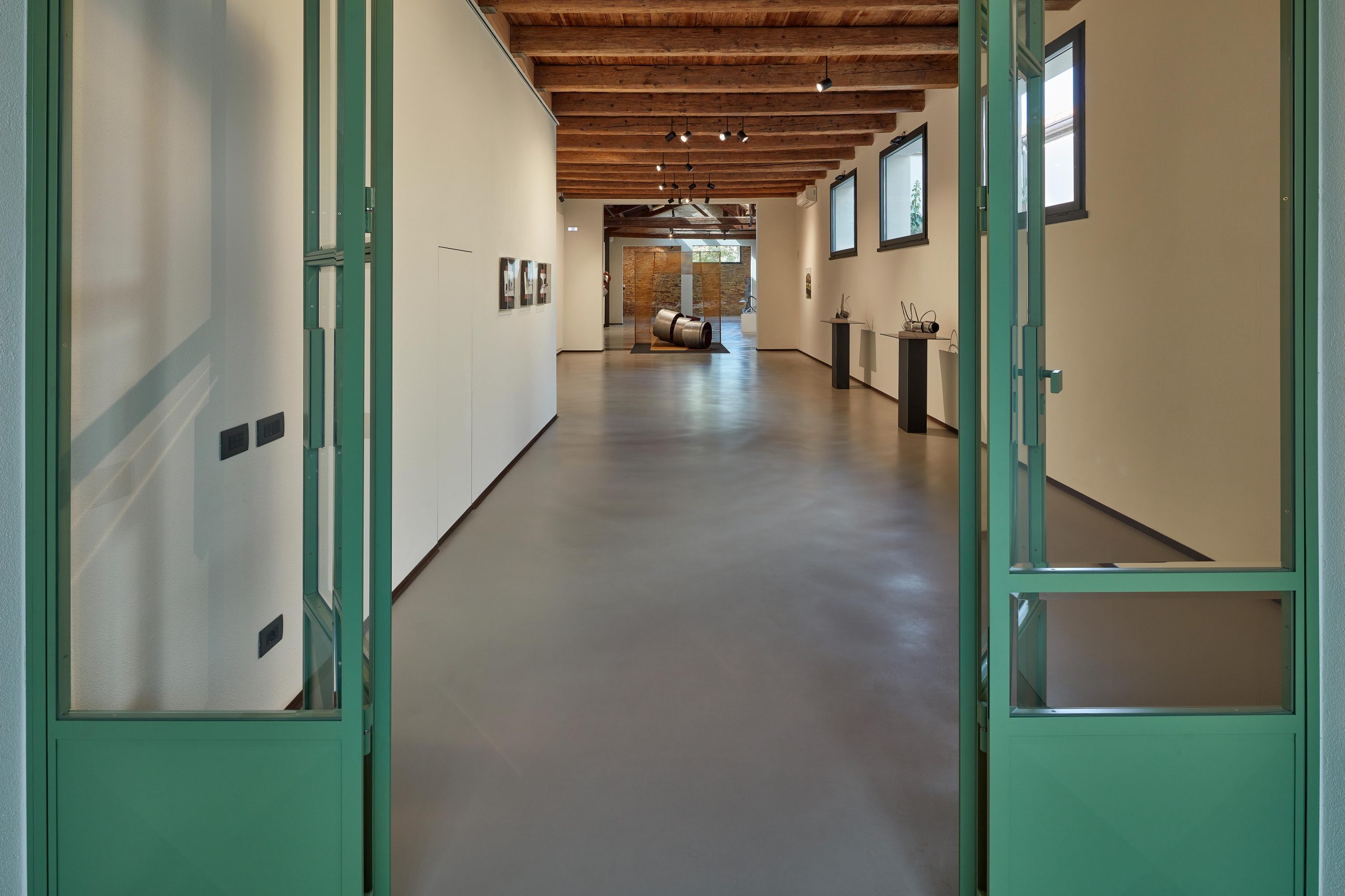
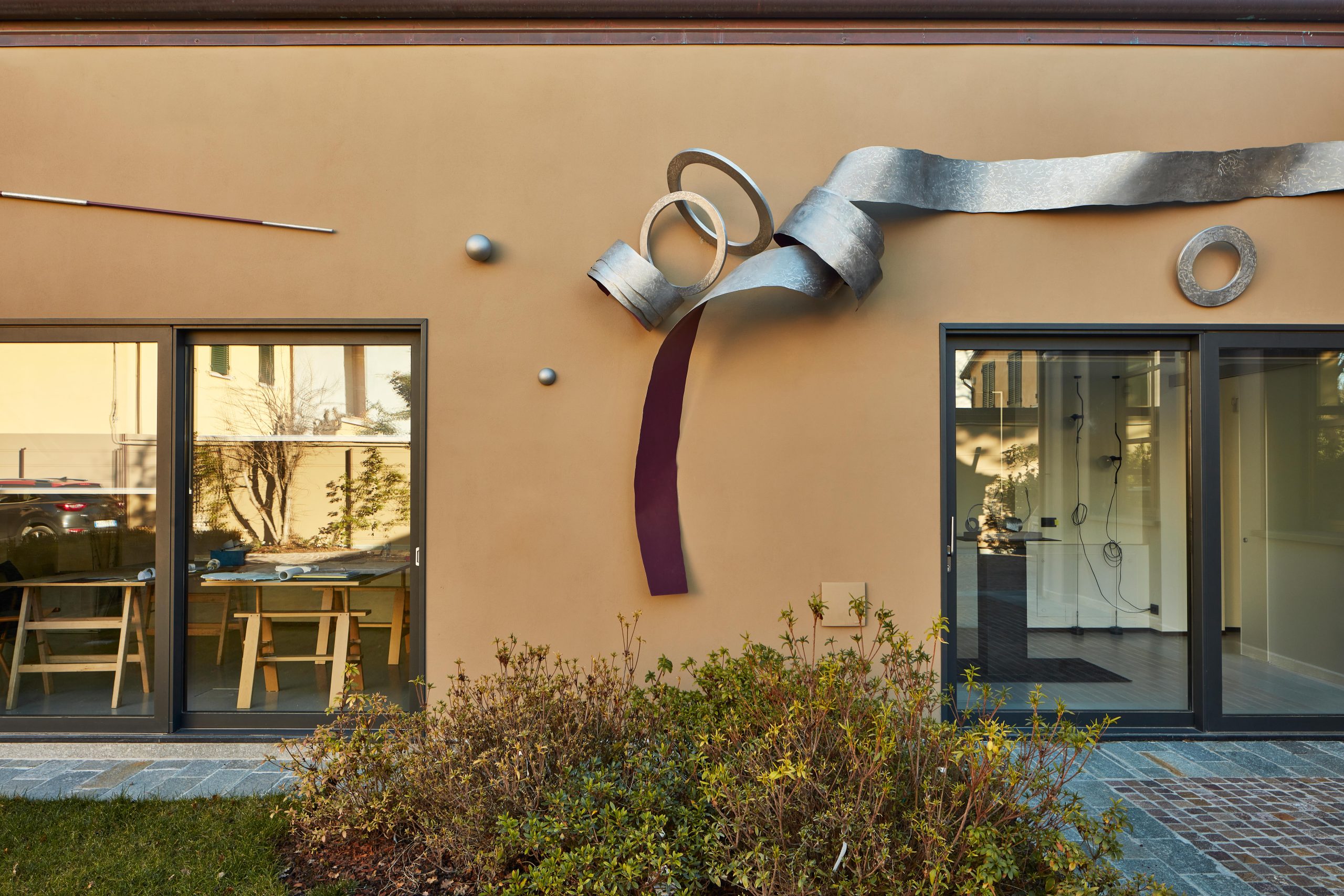
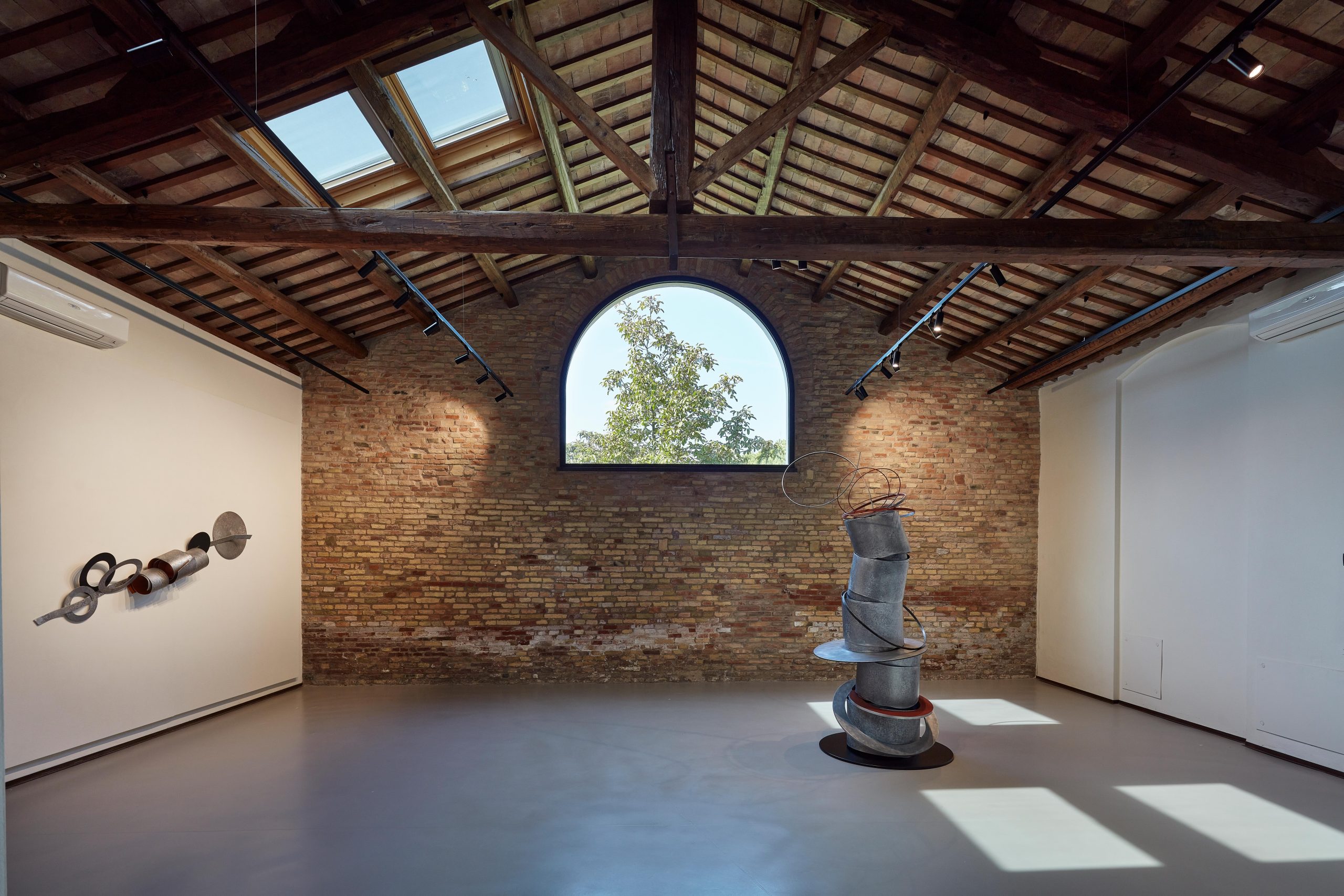
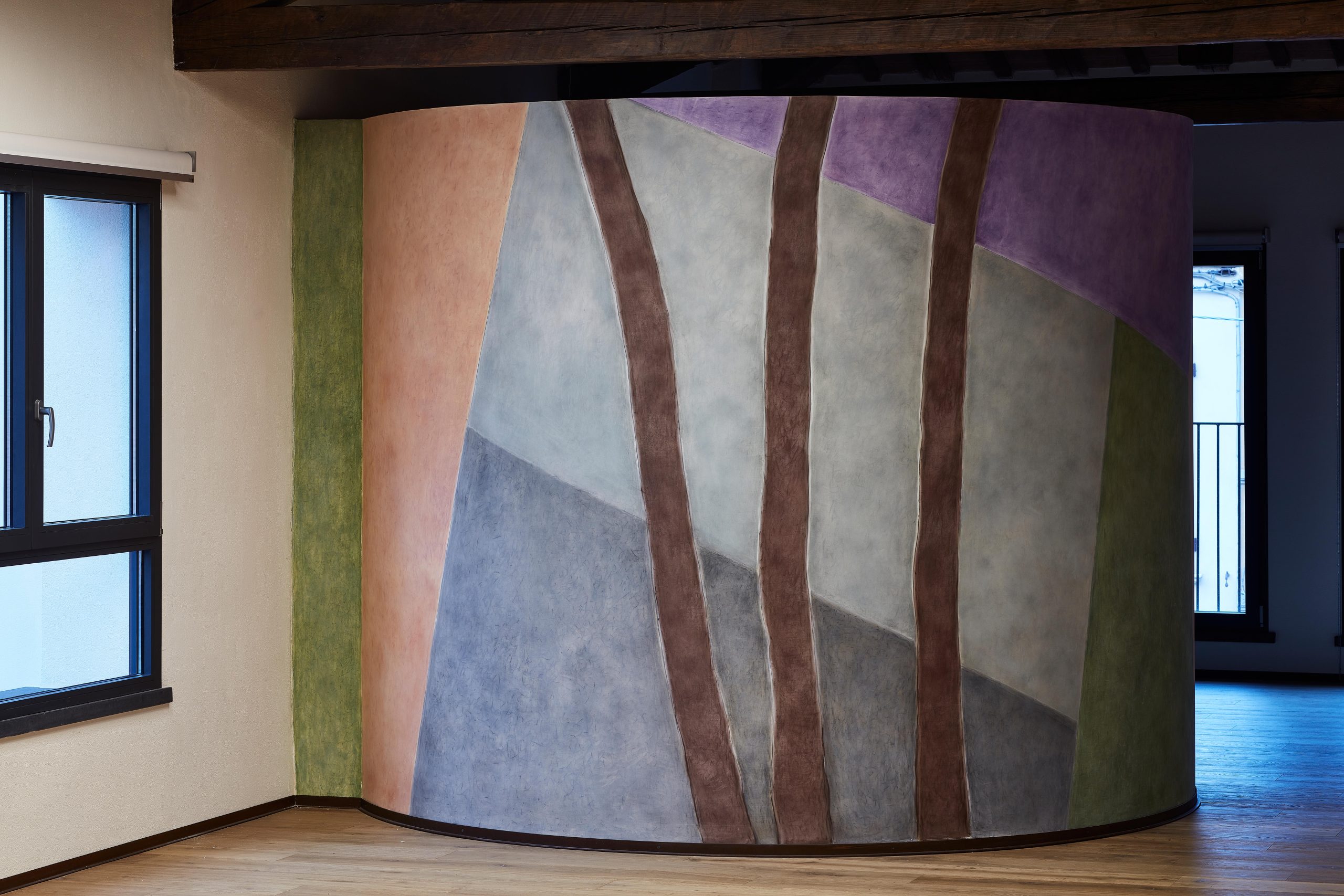
In more recent years, however, the building has also taken on a role as an exhibition space: from 2003 to 2015, it was home to Ninapì – Nesting Art Gallery, an underground cultural venue that for years presented the work of numerous emerging Italian and international artists. Today, with the opening of Fondazione Sabe per l’Arte, “making” and “exhibiting” come together in a single dynamic and multifaceted institution, shaped by and attuned to the forms of the present.